
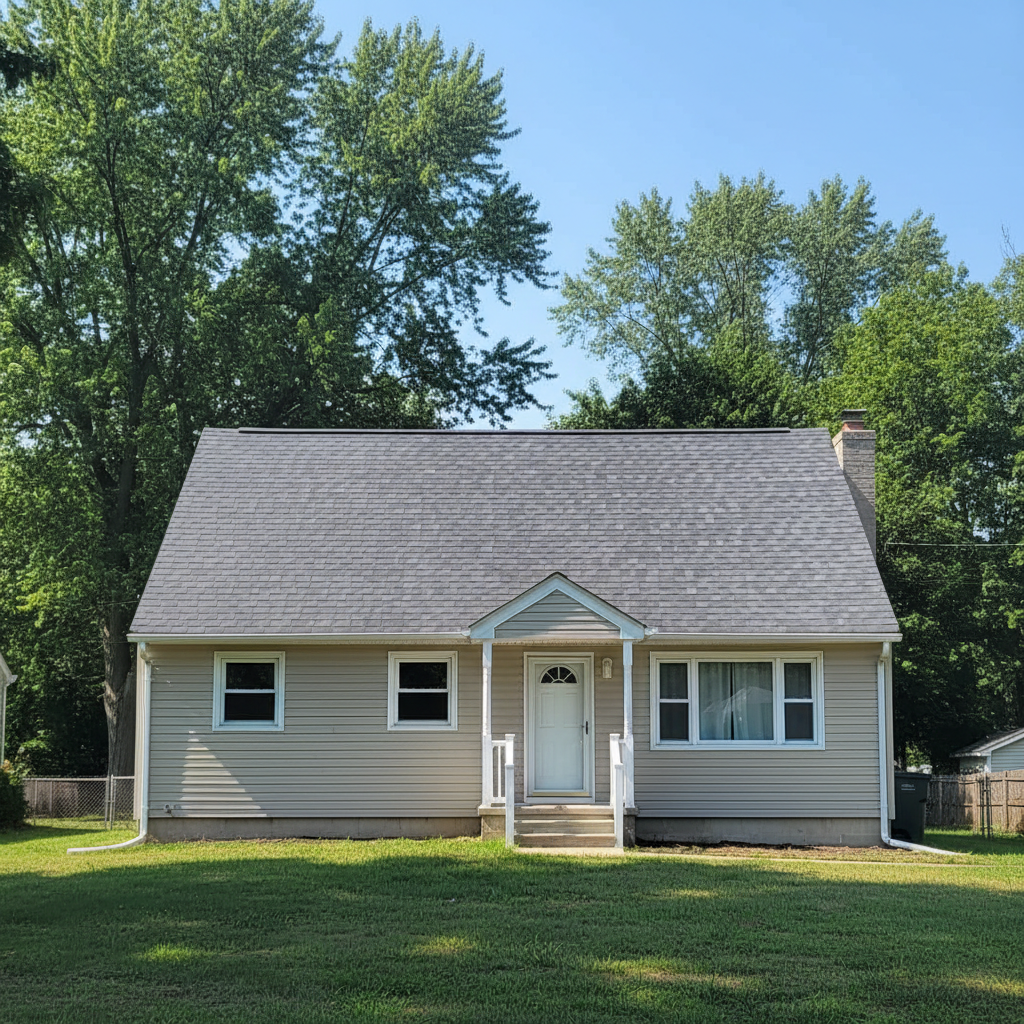
A roof replacement in Freeport runs into real money, and most homeowners do it once or twice in the time they own the house. That's the problem. You're making a decision with almost no practice at it, often right after a storm when you're not thinking straight. The contractor you pick matters more than the shingle brand you pick. A good roofer can make an average shingle last 20 years. A bad install can make a premium shingle fail in five.
Check the license and the insurance before you ask about price
In Nassau County, home improvement contractors are supposed to be licensed through the county's Office of Consumer Affairs. Ask for the license number and look it up yourself rather than taking it on faith. Then ask for proof of general liability insurance and workers' compensation, and don't just glance at it, call the insurance company listed and confirm the policy is active. This isn't paranoia. If a roofer falls off a two-story Cape on Pine Street and he's not covered, the claim can land on your homeowner's policy. A company that hesitates to hand over this paperwork is telling you something.
What a real inspection actually looks like
Anyone can stand in your driveway and say your roof looks fine. A real inspection means someone gets on the roof, not just the easy pitches, and checks the flashing around the chimney and any dormers by hand, not binoculars. Step flashing should be layered shingle-over-shingle, not just a smear of roofing cement, which is the lazy fix you'll find on a lot of older Freeport houses that have had a patch job or two. They should check the decking for soft spots by walking it, not guessing. They should go into the attic and look for daylight at the ridge, dark staining on the sheathing, and whether the insulation is wet or compressed. Ventilation gets skipped constantly. A roof needs roughly 1 square foot of net free ventilation area for every 150 square feet of attic floor, split between intake at the soffits and exhaust at the ridge. Get that balance wrong and you bake the shingles from underneath in July and get ice damming in January. Both will void a manufacturer's warranty faster than hail will.
Why Freeport's weather and houses change what "good" means here
We're close enough to the water, off the Milburn Creek and Freeport Creek side and the Great South Bay beyond, that salt air is a real factor in material choice. Galvanized steel fasteners and gutters corrode faster here than they would 20 miles inland. Aluminum or stainless fasteners and aluminum gutters cost a little more and last a lot longer near the canals. A contractor who specs plain galvanized everything on a waterfront block either doesn't know the area or doesn't care.
Weather-wise, we get nor'easters from October through April that drive rain sideways under loose flashing, and hurricane season runs June through November, with 2012's Hurricane Sandy still the reference point for what wind and water damage looks like around here. A roof that was fine in a light rain can leak badly in a 40 mph sustained wind with gusts higher, because wind-driven rain finds every gap a dry day never tests.
The housing stock matters too. A lot of Freeport's blocks, especially south of Sunrise Highway toward the Nautical Mile, were built between the 1920s and 1960s, and plenty still have original 2x6 plank decking under the shingles instead of plywood or OSB. That changes how new decking gets nailed in and what a tear-off crew finds once the old shingles come off. Canal-front homes often have a flat or low-slope section over a porch or garage addition, which needs EPDM rubber or modified bitumen, not asphalt shingles, because water sits on a low slope longer than it does on a steep one.
Permits aren't optional, and the inspection catches more than you'd think
Freeport is an incorporated village, so permitting for a full reroof generally goes through the Village of Freeport building department rather than directly through the county. Most full tear-offs require a permit, and the inspector is checking deck condition and fastening before the new covering goes down, then a final once it's done. A contractor who tells you permits are a waste of time and money is telling you he'd rather not have anyone else look at his work. If your house sits close to a lot line or near the water, ask whether a survey or setback check applies to your job, since that's more common on the smaller, older lots near the village center than on newer subdivision lots.
The bid itself tells you most of what you need to know
A written, itemized bid should spell out the number of layers being torn off, whether any decking needs replacing and at what cost per sheet if it does, the underlayment type, and how far the ice and water shield runs at the eaves, which should extend at least 24 inches past the interior wall line under most codes used in this area. It should list drip edge, flashing work at every chimney and sidewall, disposal, and a cleanup pass with a magnetic sweep for stray nails, which matters if you have kids or a dog in the yard. It should separate the manufacturer's material warranty, often 25 to 30 years on architectural shingles, from the contractor's workmanship warranty, which is usually shorter, somewhere in the 2 to 5 year range. Those are two different promises and a vague bid blurs them on purpose.
On payment, a deposit in the range of 10 to 30 percent is normal. Full payment up front, or a demand for cash only, is not.
What to walk away from
- Someone who knocked on your door right after a storm and says they can start tomorrow.
- No local address, or a truck with a magnetic sign and no jobs you can actually go look at.
- Pressure to sign the same day, especially paired with a discount that expires at midnight.
- A request to make the insurance check out to the contractor directly instead of you.
- A bid dramatically lower than every other one you got. Shingles, underlayment, and labor cost roughly what they cost. A number far below that usually means corners get cut somewhere you won't see until year three.
Get two or three bids, read them side by side, and ask each contractor the same questions about decking, ventilation, and flashing. The answers will tell you more than any sales pitch. If you want someone local to walk your roof and tell you straight what shape it's in, that's the kind of inspection and repair work we do at Peakline Roofing Solutions.